Games That Pay Real Money: What's Legit in 2026

Search “games that pay real money” and you'll get a hundred affiliate lists promising hundreds a month. This is the version without the sales pitch: the four categories that actually pay, what each realistically earns, and how to spot a scam in 30 seconds.
Search “games that pay real money” and you'll get a hundred lists promising hundreds of dollars a month. Most are affiliate pages for apps paying pennies per hour. This is the version without the sales pitch: what actually pays, roughly how much, and how to spot the traps — written for PC gamers rather than side-hustle hunters.
First, the Honest Framing
There are only four ways a game can pay you real money:
- Someone values your data or attention (gameplay recordings, ads, surveys)
- Someone values your skill (tournaments, coaching, ranked services)
- Someone values your audience (content, sponsorships)
- You're gambling (cash-entry tournaments, sweepstakes apps)
Every legitimate offer fits one of the first three. If an offer doesn't obviously fit any, look harder — and if the answer turns out to be the fourth, treat it as gambling, with all the risk that implies, not as “earning.”
Category 1: Gameplay Data Rewards (Best Effort-to-Payout Ratio)
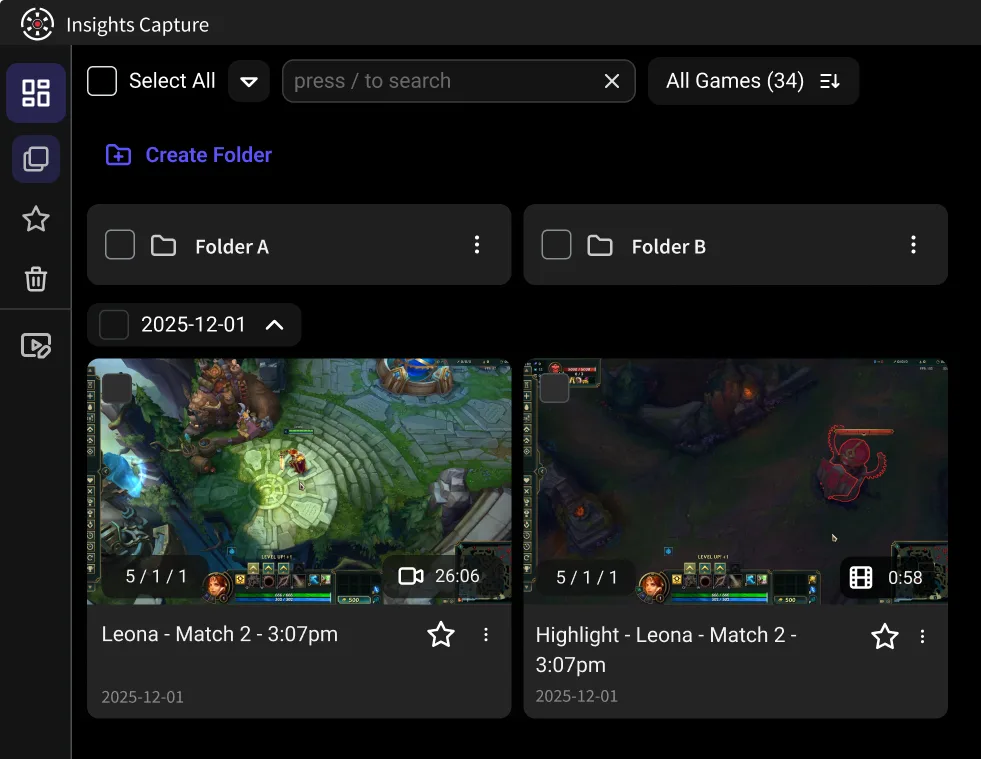
You play what you already play; software records it in the background; you're paid for the recordings. No tasks, no surveys, no skill requirement.
The transparent example — and the one we run — is the Shard Program. Published terms rather than vibes: 2,000 Shards = $1, minimum redemption is a $5 gift card, 100+ gift card options in 150+ regions (Visa, Steam, Amazon, Riot and more), and $100,000+ already paid out. Earnings scale with demand: games with active bounties and fewer existing recordings pay more (up to roughly $5 per hour), while saturated titles like Valorant pay a lower baseline. Windows only, 18+, and recordings are anonymized before leaving your PC.
What it realistically pays: gift-card money that accumulates while you play normally.
Watch for: programs that won't tell you the conversion rate.
{{button}}
Category 2: Playtesting Programs
Studios pay for structured feedback on unreleased builds. This is real hourly work, not a rewards scheme, and the pay reflects that — but sessions are irregular and slots are competitive. Look for studio-run tester programs and established user-research panels rather than sites that aggregate “offers.”
What it realistically pays: proper hourly rates, unpredictable frequency.
Category 3: Tournaments and Competitive Play
Community cups, ladder prize pools and local brackets are more accessible than people assume, and unlike reward apps the ceiling is real. The catch is obvious: you have to be good, and getting good takes review. Recording your matches and reviewing them is the cheapest coaching available.
What it realistically pays: small at entry level, significant near the top.
Category 4: Content and Clips
Ads, subs, sponsorships and affiliate revenue from streaming or short-form clips. Highest ceiling, slowest start, and the most common failure point is simply not shipping enough. Automatic clipping helps more than people expect — when every kill and win is already marked, posting daily stops being a chore.
What it realistically pays: nothing for months, then potentially a lot.
Category 5: “Cash Tournament” and Sweepstakes Apps — Proceed Carefully
Apps offering cash prizes for skill-based matches occupy a legal grey zone that varies by jurisdiction, and many require deposits. If money goes in before money comes out, you're gambling. Treat it accordingly, and check your local rules.
How to Spot a Scam in 30 Seconds
- You must pay first. Deposits, “starter packs”, NFTs, or premium tiers required to earn. Walk away.
- The payout math is hidden. No stated conversion rate, no stated minimum. Legitimate programs publish both.
- The minimum is unreachable. High withdrawal thresholds that you approach but never hit are the entire business model.
- It's surveys wearing a hat. If most “earning” tasks aren't gameplay, it's a survey app.
- Reviews mention frozen accounts near payout. The single most reliable warning sign.
- No clarity on data. You should be able to find out what's collected and how it's handled.
Where PC Gamers Should Actually Start
Stack the layers in order of effort:
- Passive first: turn on gameplay-data rewards — the only category that pays you for doing nothing differently. Start with Shard.
- Then apply to a couple of legitimate playtest panels.
- Then build, if you want a real ceiling: clips and content, or ranked improvement toward tournaments.
For the full breakdown of each path, see get paid to play games.
FAQs: Games That Pay Real Money
1. What games actually pay real money?
No mainstream game pays you to play it directly. Money comes from data rewards for your recordings, playtesting, tournament prizes, or content revenue built on top of gameplay.
2. How much can you realistically earn?
Gameplay-data rewards: gift-card amounts, up to around $5 per hour on high-demand titles. Playtesting: proper hourly rates, irregularly. Tournaments and content: unbounded, but earned slowly.
3. Are game money apps legit?
Some are; many aren't. Judge by published payout math, reachable minimums, no upfront cost, and clear data handling.
4. What's the safest way to earn from gaming?
Programs where you never pay in and the terms are published — gameplay-data rewards and studio playtesting are the two cleanest categories.
5. Do these work outside the US?
It varies. Shard, for example, supports 100+ gift card options across 150+ regions, but many cash-out apps are US-only. Check availability before investing time.
Final Thoughts
The realistic version of “games that pay real money” is unglamorous: a small passive base, occasional paid sessions, and a long build toward anything bigger. That's not the pitch in the ads, but it's the one that doesn't waste your time. Start with the layer that costs you nothing — the Shard Program pays you for the games you're already playing. Contact us now!